





Advanced Airborne Command Post (AACP)
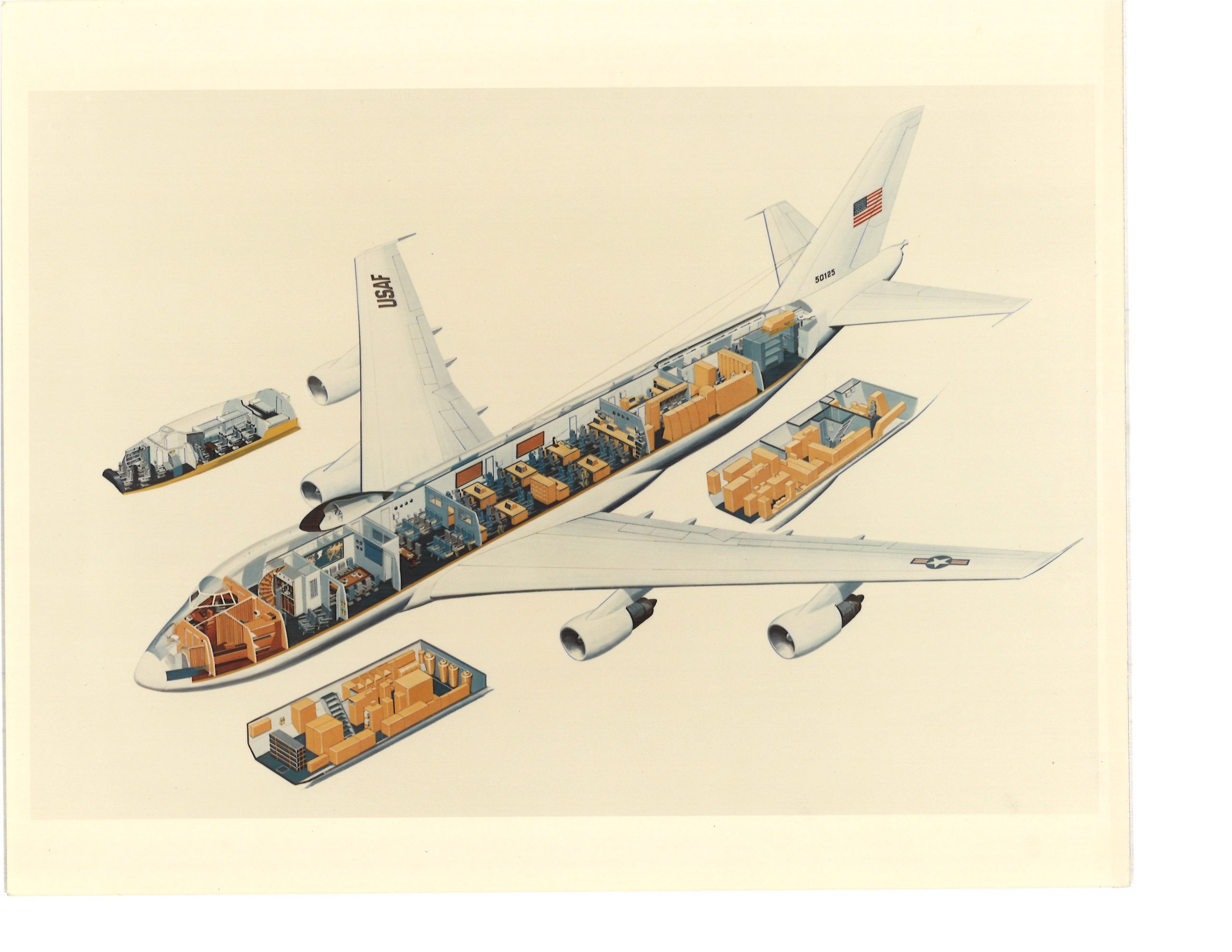
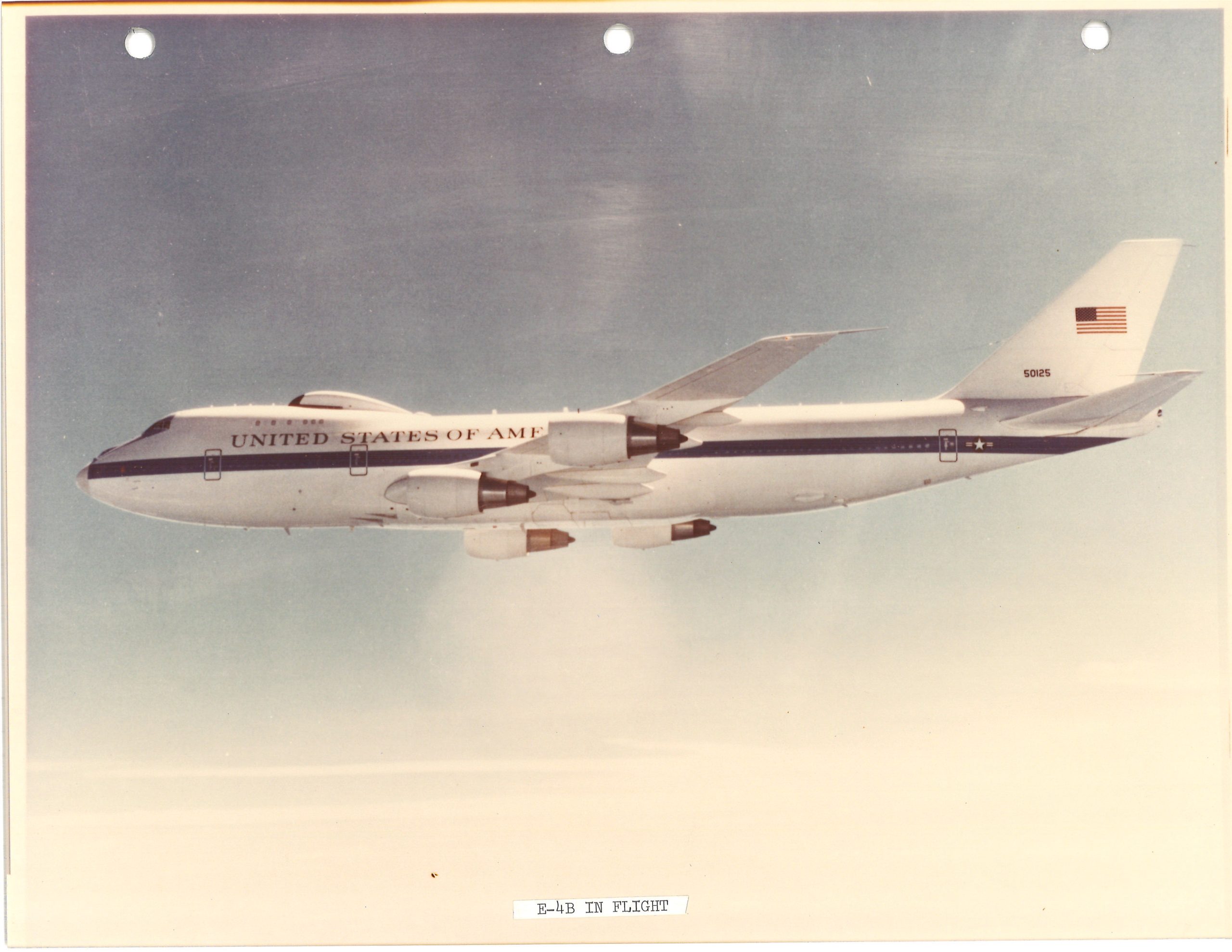
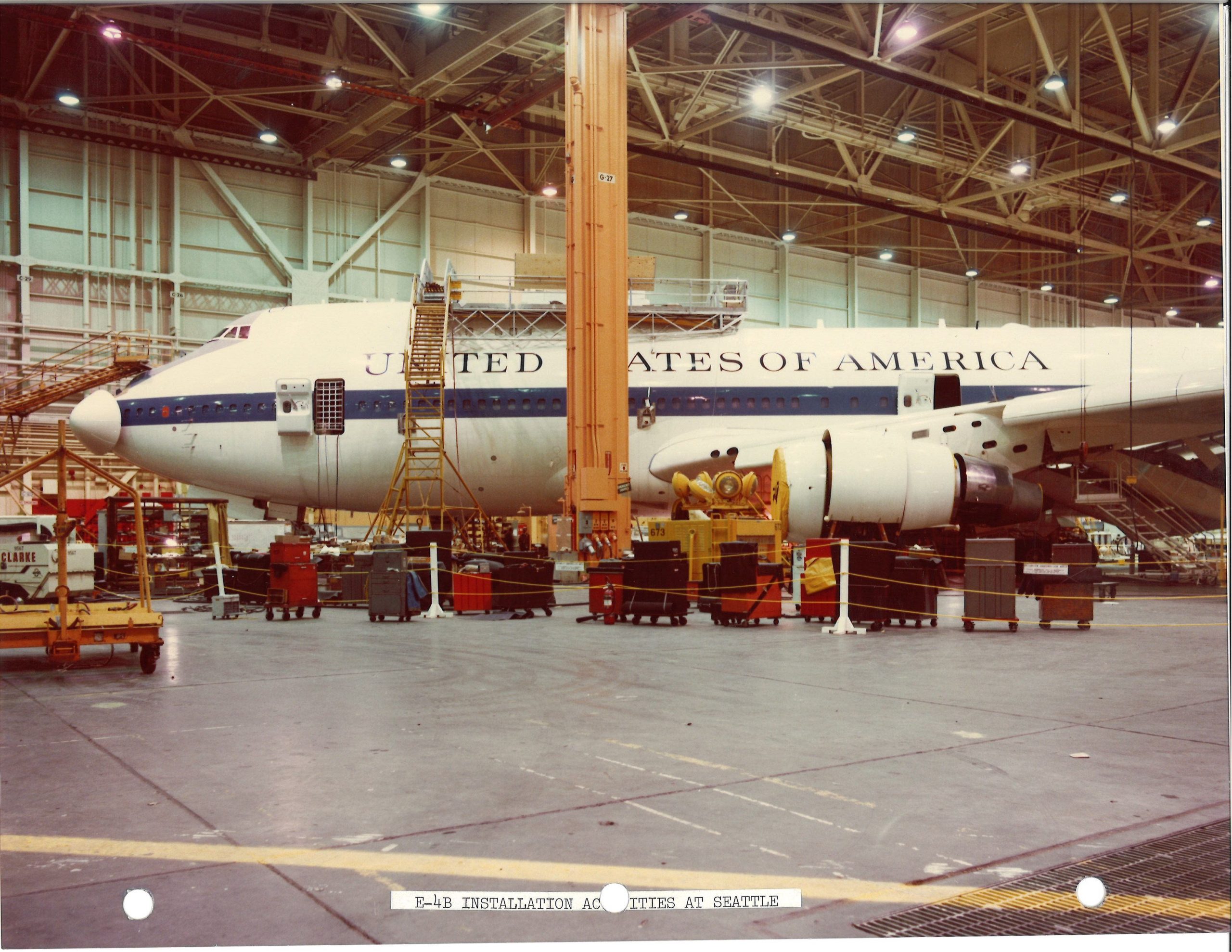
Built on the Boeing 747, the AACP E-4 serves as a survivable airborne headquarters for military and civilian leaders during national emergencies. The E-4A first flew in June 1973 and entered initial operational capability in December 1974. Four aircraft were produced; by 1985, all had been upgraded to the E-4B standard.
Now designated the National Airborne Operations Center (NAOC), the E-4B provides a modern, highly survivable command center when a national emergency occurs or ground-based command and control facilities are destroyed or unavailable. From the aircraft, national leaders can direct U.S. forces, execute emergency war orders, and coordinate actions with civilian authorities. Its hardened design is built to withstand the effects of nuclear detonation.
MITRE helped shape the program from its earliest stages. In 1968, MITRE participated in initial studies, concept development, and configuration planning. By 1970, MITRE held general system engineering and technical direction responsibility, supporting preliminary design, analysis, and program planning.
PR_25-03042-6
Privacy | Terms | Contact Us | www.mitre.org | Public Release #18-0742