





Universal Access Transceiver (UAT)
The MITRE Corporation played a foundational role in the evolution of aviation surveillance in its invention of the Universal Access Transceiver (UAT), which was a key capability driving the development and world-wide implementation of Automatic Dependent Surveillance-Broadcast (ADS-B) technologies. In 1995, MITRE researchers began developing the UAT–a single-channel, wideband data link designed to support ADS-B–as well as Traffic Information Service-Broadcast (TIS-B) and Flight Information Service-Broadcast (FIS-B). Within three years, MITRE developed and flight-tested six UAT prototypes, demonstrating a robust, low-cost architecture that provided faster and more accurate aircraft location data than traditional radar.
MITRE accelerated industry adoption, commercialization, and rapid equipment production via no-cost licensing to avionics manufacturers like UPS Aviation Technologies. MITRE’s research was instrumental in the FAA’s adoption of ADS-B, including successful operational demonstrations in the Alaska Capstone program. That program demonstrated the world’s first air traffic separation services using UAT ADS-B technology and contributed to a significant reduction in regional aviation accident rates. Furthermore, MITRE collaborated with aviation stakeholders and partners in RTCA and the International Civil Aviation Organization (ICAO) to establish international standards for the UAT data link. MITRE later developed the UAT Beacon Radio (UBR) to expand ADS-B access to non-traditional airspace users, such as uncrewed and sport aircraft.
MITRE’s pioneering contributions to global aviation safety and modernization were recognized with numerous industry honors, including the AIAA Digital Avionics Award and being part of the ADS-B team awarded with the Collier Trophy. Today, there are around 37,000 UAT-equipped civil aircraft in the U.S.
Highlight: The Universal Access Transceiver Beacon Radio (UBR)
The Universal Access Transceiver Beacon Radio (UBR) ensures that small aircraft and unmanned aerial systems would have the same level of situational awareness in the air as big planes. The Beacon Radio incorporates Automatic Dependent Surveillance–Broadcast (ADS-B) technology, which MITRE helped develop over the past two decades.
ADS-B systems enable airplanes to transmit information about their flight—speed, location, and altitude—to other aircraft and air traffic control centers. It is already in use in larger aircraft; however, commercial-grade ADS-B avionics are large, heavy, and costly, and require aircraft electrical systems, making them impractical for use in many smaller aircraft.
To help fill the gap in the market, MITRE researchers developed a small, low-cost, lightweight, low-power device that would benefit users from both the government and public. Our prototype digital radio system is about the size of a smartphone, weighs 9.5 ounces, and can operate in transmit only mode for more than 12 hours on AA batteries.
Applications
The UBR technology has the potential to improve visual acquisition of small unmanned aircraft systems, general aviation aircraft without engine-generated electrical systems, hang gliders, and balloons operating in visual meteorological conditions in low-altitude airspace.
Benefits
Due to its size, UBR can be used on a variety of small aircraft with space constraints for devices. UBR maintains the standards and capabilities that allow it to communicate in the same manner as UAT at considerably less expense.
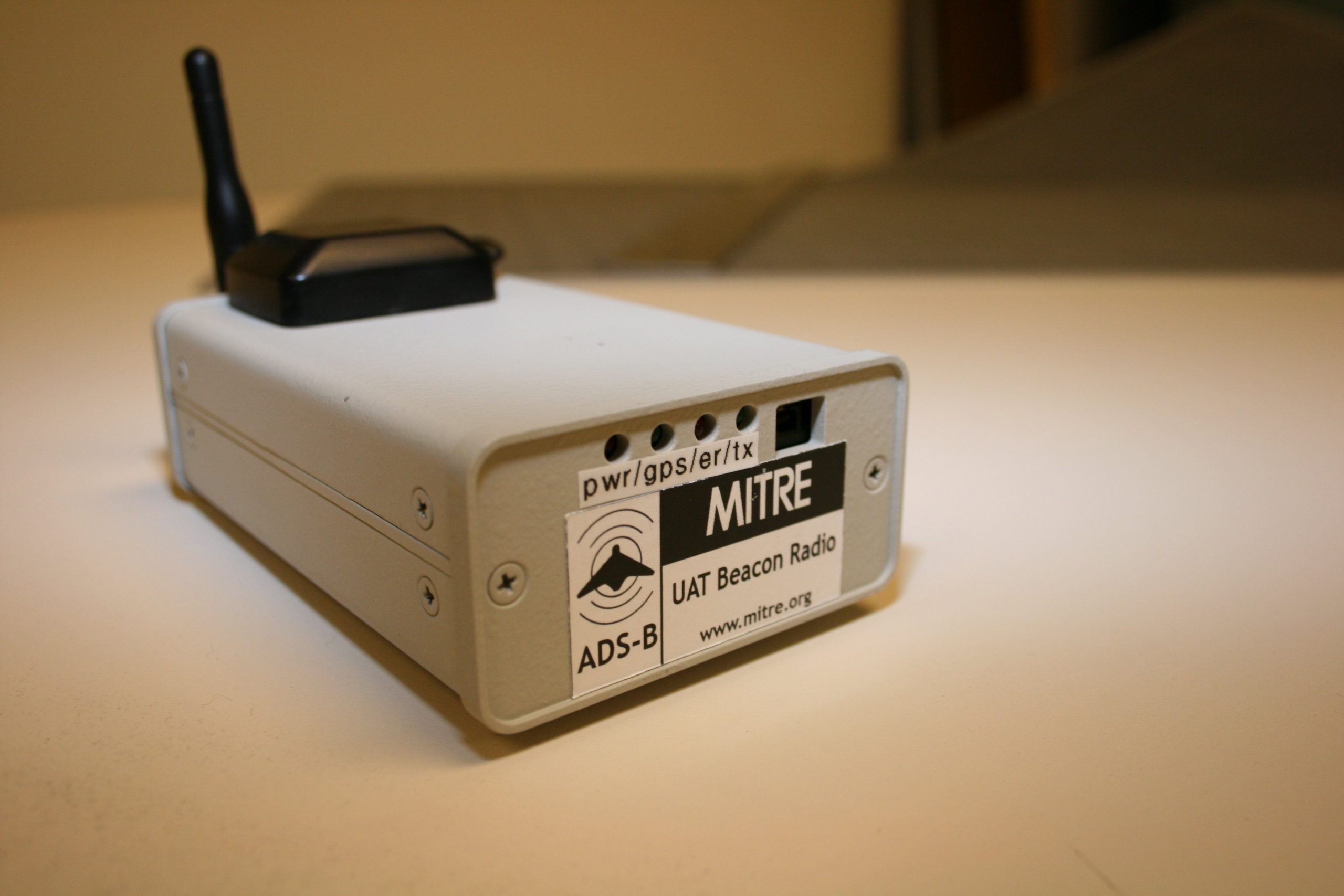
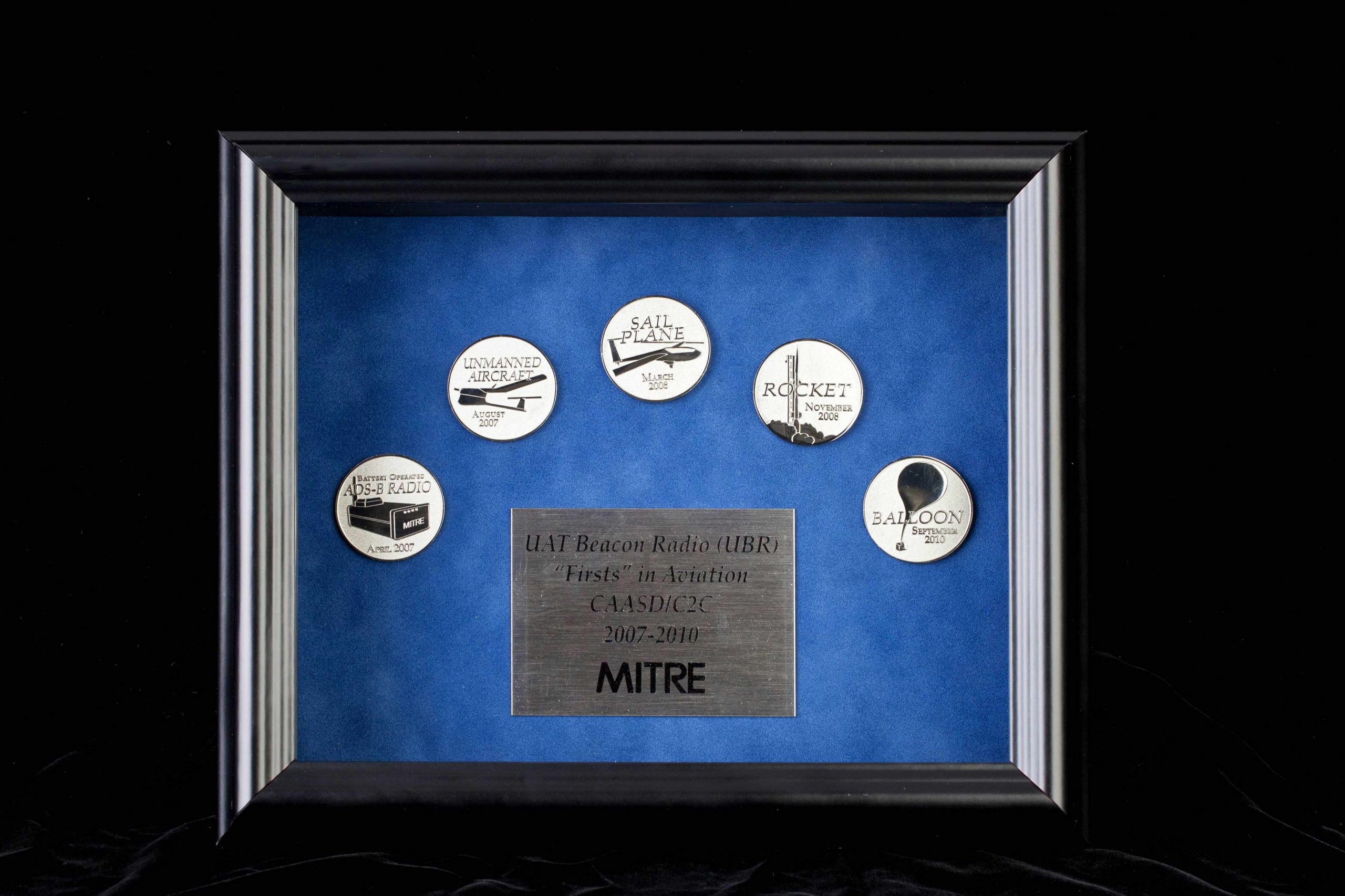
A UBR prototype circa 2007 (top left) and the shadowbox presented to MITRE’s UBR teams (top right).
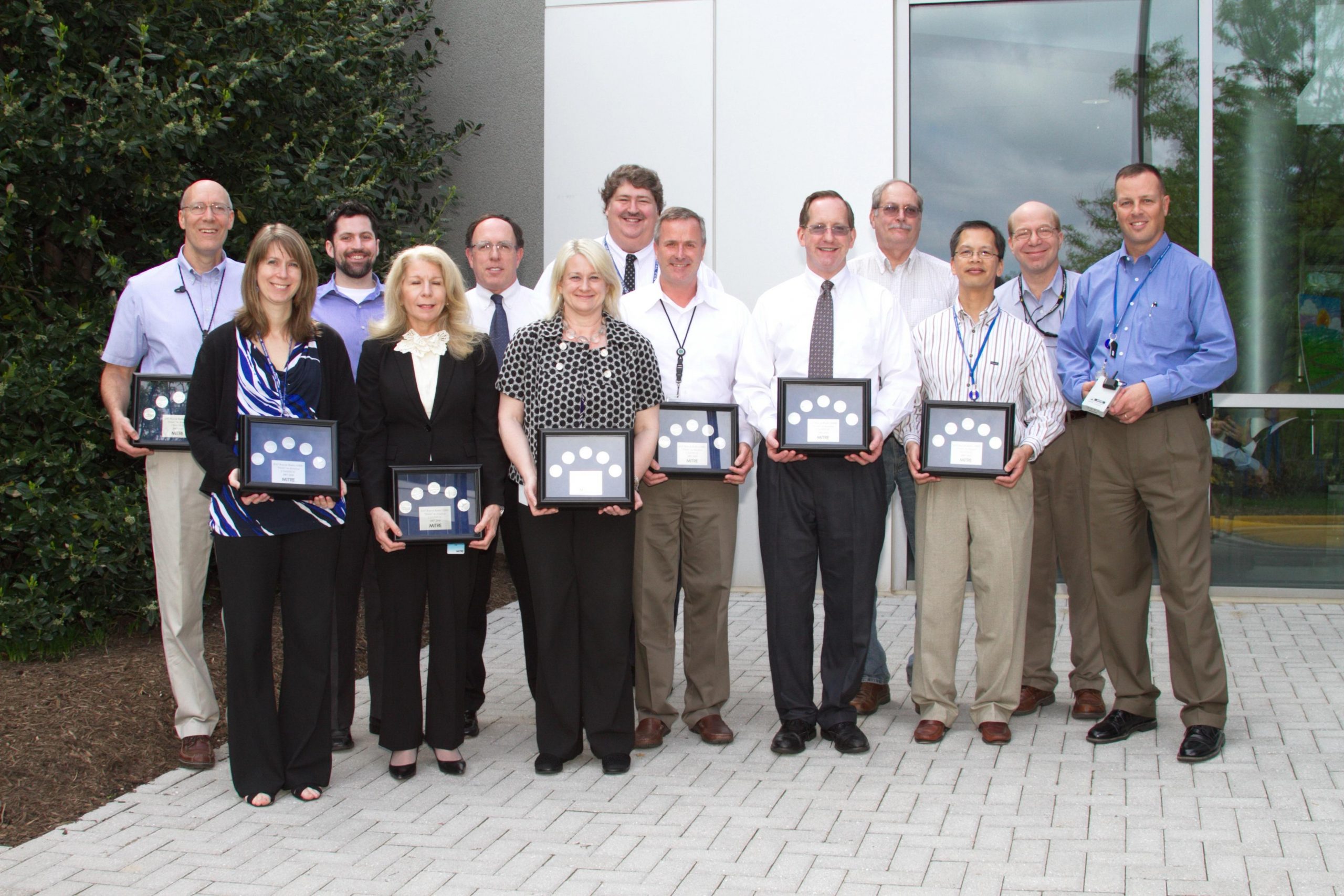
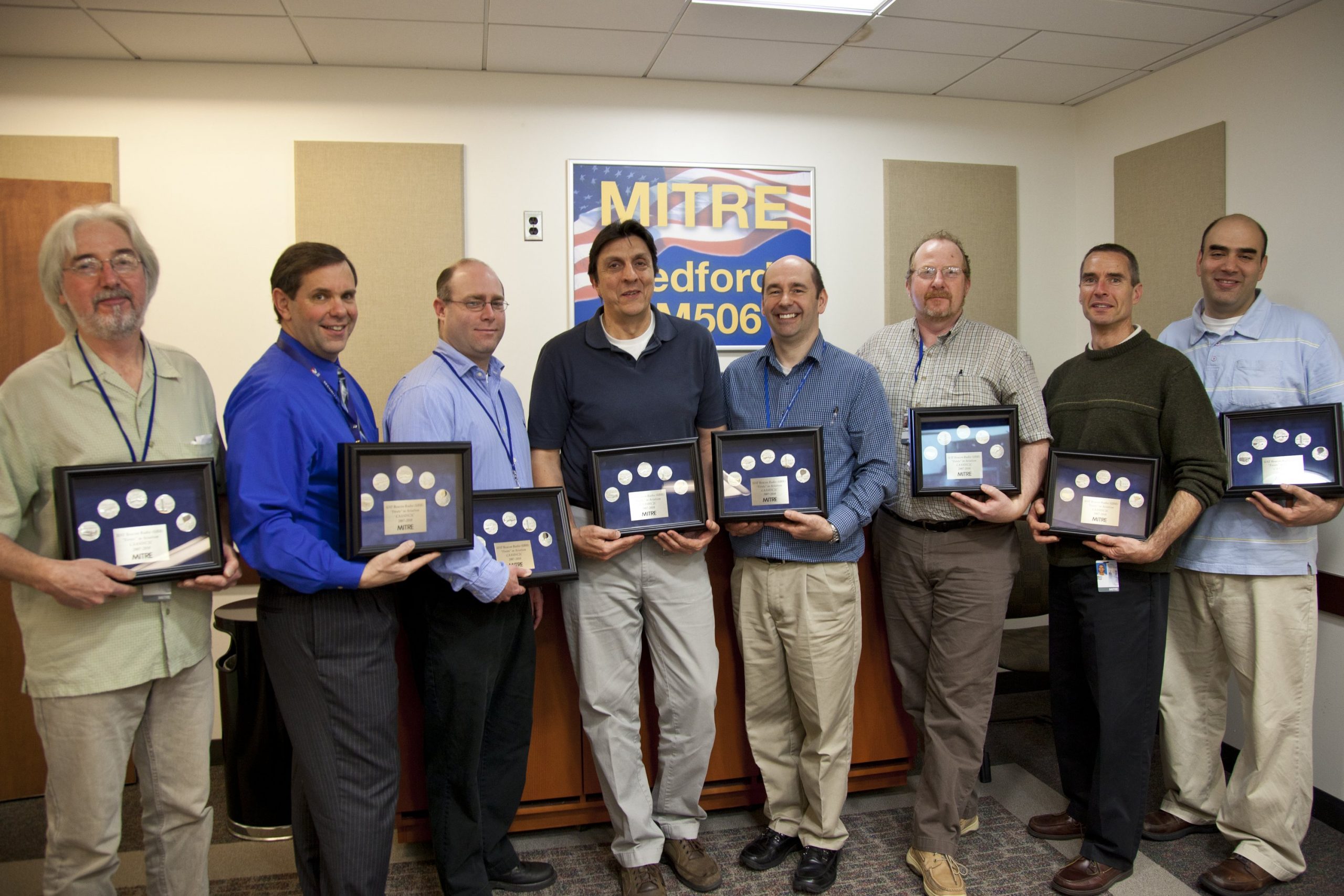
The MITRE UBR teams in McLean (bottom left) and Bedford (bottom right)
PR_25-03042-6
Privacy | Terms | Contact Us | www.mitre.org | Public Release #18-0742